
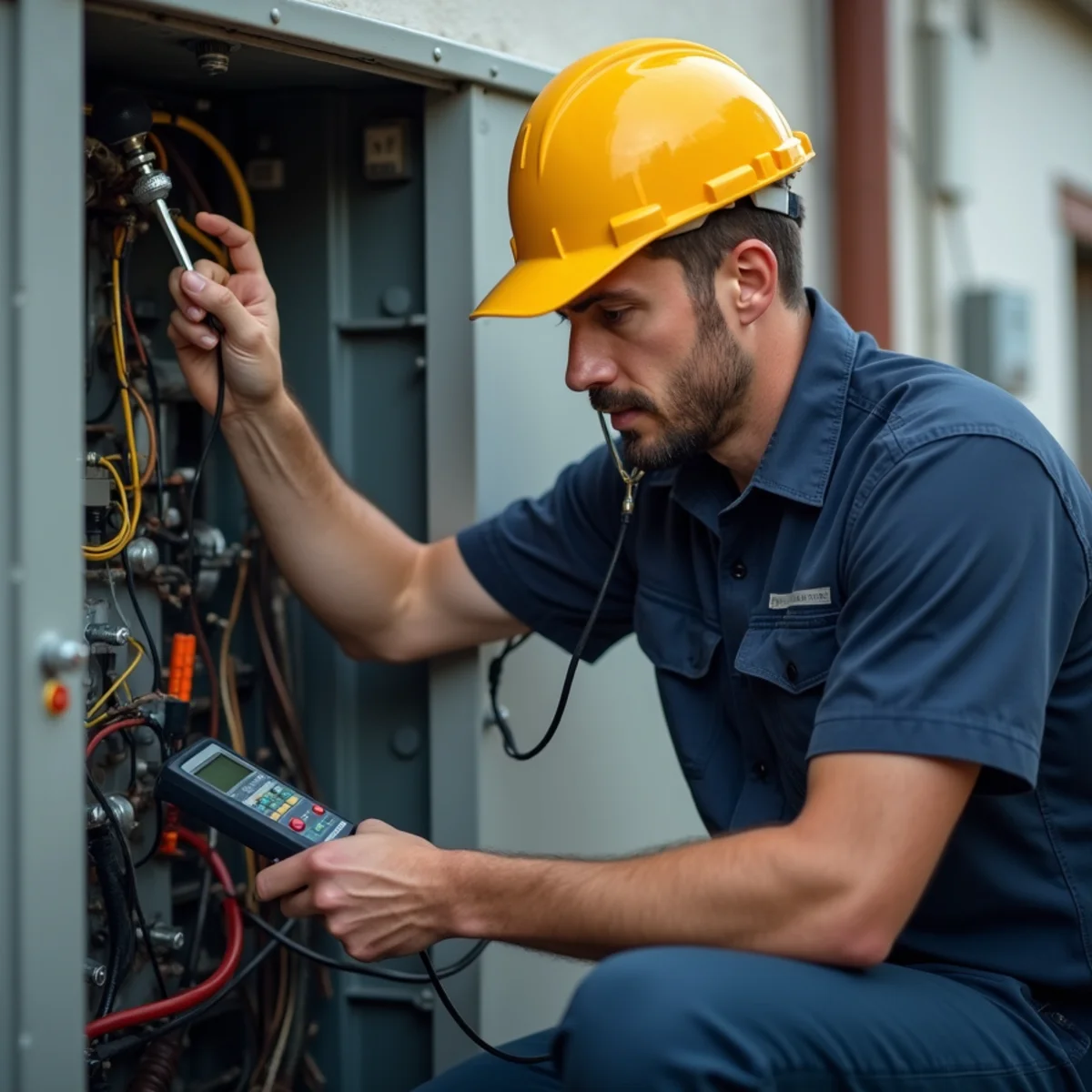
Direct Answer: How to Distinguish a Dying Compressor from a Blown Capacitor
Before authorizing a costly $2,000+ compressor replacement or full system upgrade, homeowners must understand that a dead, humming outdoor AC unit is far more likely caused by a failed dual-run capacitor than a condemned compressor. Over 75% of emergency service calls where the outdoor condenser hums and clicks without cooling are resolved by replacing an inexpensive $150 to $250 capacitor.
A compressor has failed mechanically only if it has suffered an internal electrical short to ground (tripping the breaker instantly), seized internal scroll plates (locked rotor amps), or severe acid contamination from burned motor windings. Professional multimeter testing separates a quick electrical fix from a true compressor failure.
The Critical Role of the Dual-Run Capacitor: The Motor's Starting Booster
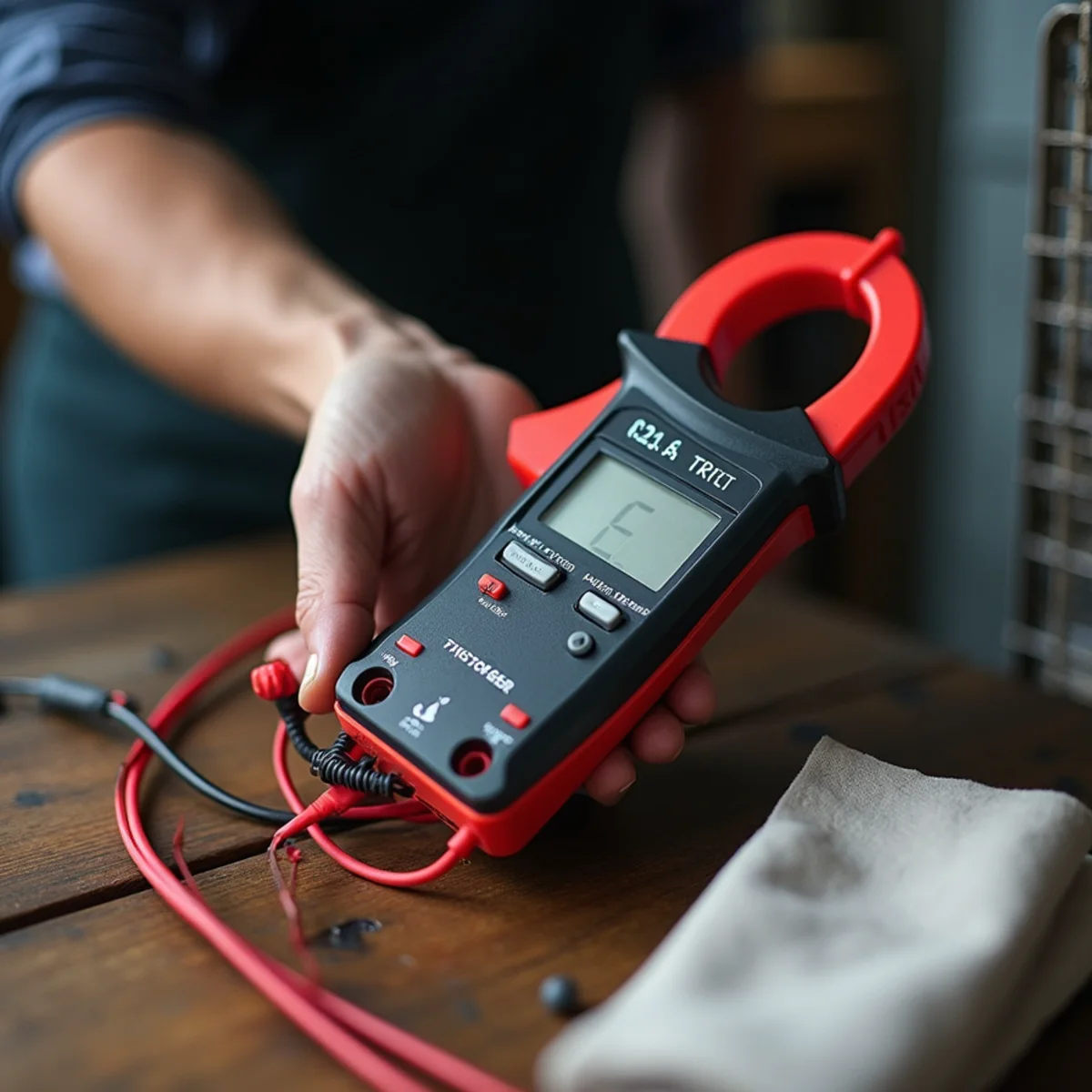
An air conditioning compressor is a high-horsepower electric motor that requires massive torque to start against high refrigerant head pressures. The dual-run capacitor acts like a heavy-duty electrical storage battery, supplying a continuous phase-shifted electrical charge (typically 35 to 70 microfarads) to the start winding.
In extreme Southeast Texas summer heat, temperatures inside the metal electrical cabinet of an outdoor condenser can reach 150°F. This thermal stress degrades the internal dielectric oil and aluminum foil, causing the capacitor to lose capacitance or bulge at the top pressure-relief terminal. When the capacitor dies, the compressor hums loudly for 10 seconds, draws locked-rotor amperage, and trips its internal thermal overload.
Top 5 Warning Signs of Real Compressor Mechanical Failure
When a compressor truly fails, it exhibits distinct physical, electrical, and acoustic symptoms:
- •1. Immediate Breaker Trip (Dead Short to Ground): The moment the contactor pulls in, the 240V double-pole breaker trips instantly with an audible pop. This indicates motor winding insulation has melted, creating a direct short to the metal casing.
- •2. Violent Shuddering and Metallic Clattering: Worn internal scroll plates or broken suction valves cause loud metal-on-metal knocking or rattling upon startup.
- •3. High Locked Rotor Amps (LRA) Without Starting: Even with a brand-new capacitor and hard-start kit attached, the compressor draws 60 to 120+ amps without the motor spinning, indicating seized bearings.
- •4. Scorched Pungent Acid Odor: An electrical winding burnout creates hydrofluoric and hydrochloric acid within the refrigeration circuit, identifiable by an acrid, chemical stench when manifold gauges are attached.
- •5. Loss of Pumping Capacity: The compressor hums smoothly and pulls normal amperage, but refrigerant pressures fail to build—suction and discharge pressures remain nearly identical, indicating broken internal discharge reeds.
Professional Bench Testing: Multimeter Pin Resistance and Megohmmeter Insulation Tests
Dispatched technicians verify compressor health using rigorous electrical testing:
Pin-to-Pin Resistance: Disconnecting electrical leads from the three hermetic terminals (Common, Start, Run) and measuring electrical resistance in ohms. The sum of Common-to-Start plus Common-to-Run must equal Start-to-Run (C+R=S formula). Any open circuit indicates burned internal windings.
Megohmmeter Ground Testing: Measuring electrical insulation resistance between each terminal pin and the bare copper suction line at 500V DC. Resistance below 20 megohms indicates failing winding varnish; resistance near zero confirms a grounded compressor.
Hard-Start Kits and Acid Testing: Can a Struggling Compressor Be Saved?
If a compressor is mechanically intact but struggles to start against high head pressures during 100°F afternoons, technicians can install a commercial-grade hard-start kit (a dedicated start capacitor paired with a potential relay). This delivers up to 500% starting torque, easing the electrical burden on aging windings.
However, if chemical acid test strips reveal high system acidity following a burnout, simply installing a new compressor without replacing the liquid line filter drier and flushing the lineset will destroy the replacement unit within weeks. Call Hooten Air Pros at (321) 478-0693 for honest, accurate compressor diagnostics.
Have an Immediate Heating or AC Problem in Humble?
Capacitors, motors, coils, and drain lines serviced 24/7. Call (321) 478-0693.
Related Local Services & Coverage Areas
Questions Homeowners Ask About This Topic
Clear, straightforward answers about HVAC service, repairs, and pricing in Humble, TX.
Not Urgent? Send a Request
Schedule non-emergency repairs, seasonal tune-ups, or request an in-home replacement estimate.